Year 4
In Year 4, pupils develop their understanding of environmental issues through meaningful links across the curriculum.
English - Persuasive Writing (One Plastic Bag – a book based on plastic pollution)
In this unit, pupils explored the book One Plastic Bag to develop their persuasive writing skills while learning about the impact of plastic pollution. They analysed the issue of single-use plastics and considered how communities can make more sustainable choices.
Pupils planned and wrote persuasive speeches and campaign messages, using 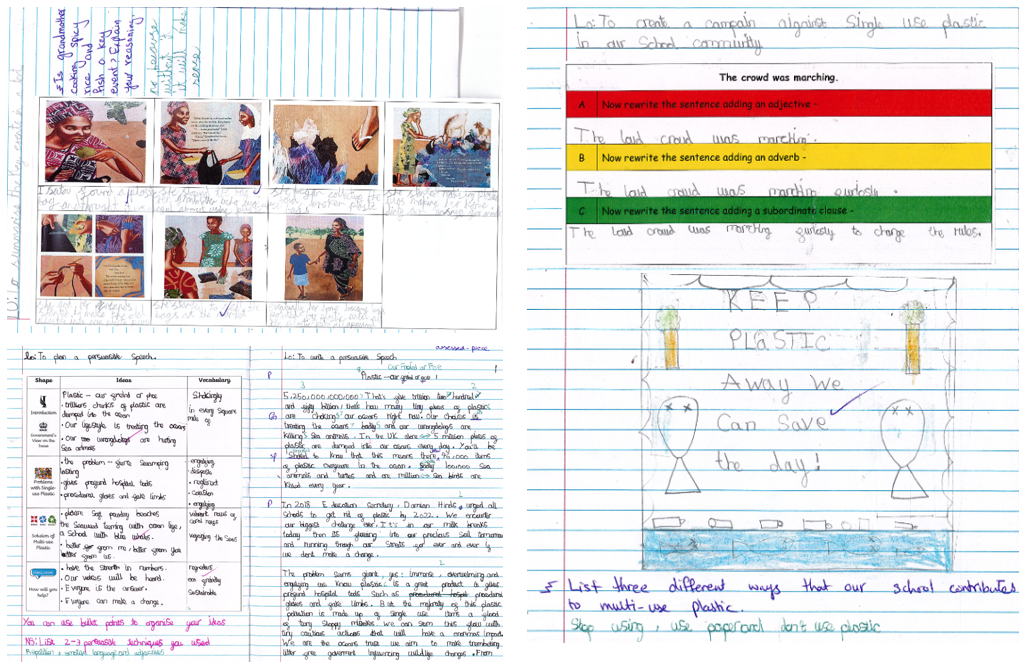 powerful vocabulary and persuasive techniques to raise awareness and encourage action. They also created posters and discussed practical ways to reduce plastic use within their school and wider community, demonstrating an understanding of environmental responsibility.
Eco-Schools Topics:
- Waste
- Global Citizenship
English – Writing a Biography
In these lessons, pupils developed their understanding of biography writing by learning about influential environmental figures. They explored the life and work of Greta Thunberg before applying their knowledge to write their own biographies of Sir David Attenborough. 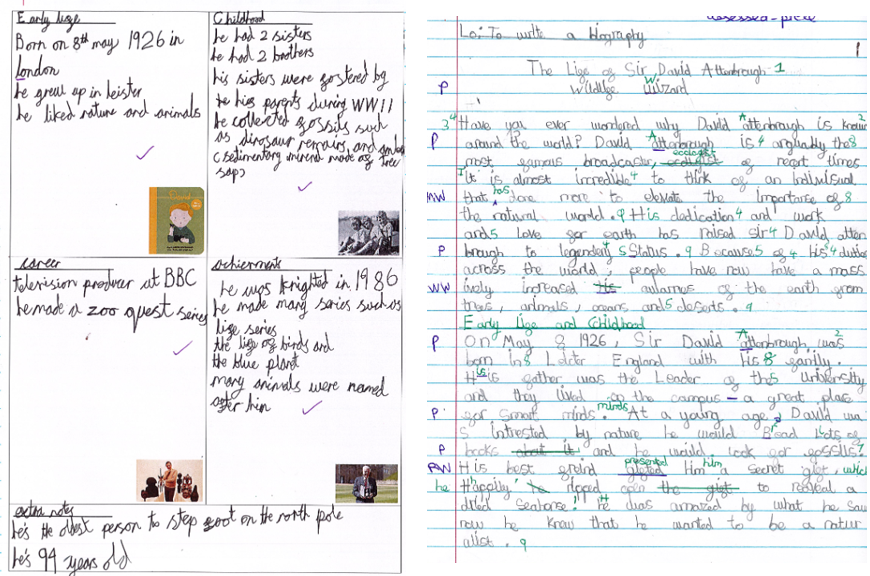 Pupils organised information into sections such as early life, achievements and career, demonstrating their ability to present key facts clearly while developing awareness of individuals who have contributed to protecting the natural world.
Eco-Schools Topics:
- Biodiversity
- Energy
- Littering
- Transport
- Marine
Science – Learning for a Sustainable Future
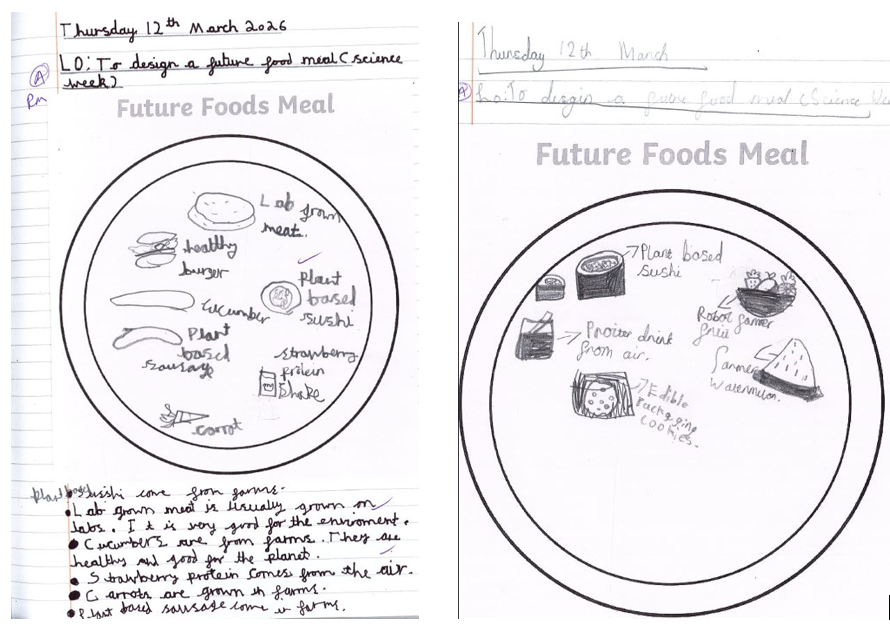
During British Science Week, pupils explored how food choices impact both personal health and the environment. They learnt about sustainable food sources and considered how diet can affect the planet.
Pupils applied their understanding by designing their own “future food” meals, incorporating ideas such as plant-based alternatives, foods grown in innovative ways (e.g. from farms or labs), and reducing environmental impact. Their designs and explanations show an increased awareness of sustainability, including reducing meat consumption, using locally grown ingredients, and considering how food production affects the environment.
Eco-Schools Topics:
- Global Citizenship
- Healthy Living
- Waste
Geography (Climate Change – P4C)
During Spring 2, pupils explored the impact of climate change on the planet through a P4C (Philosophy for Children) enquiry. Using discussion and debate, they considered how human activities affect the environment and reflected on questions such as whether damage to the Earth is unavoidable in the pursuit of progress.
Pupils shared and justified their 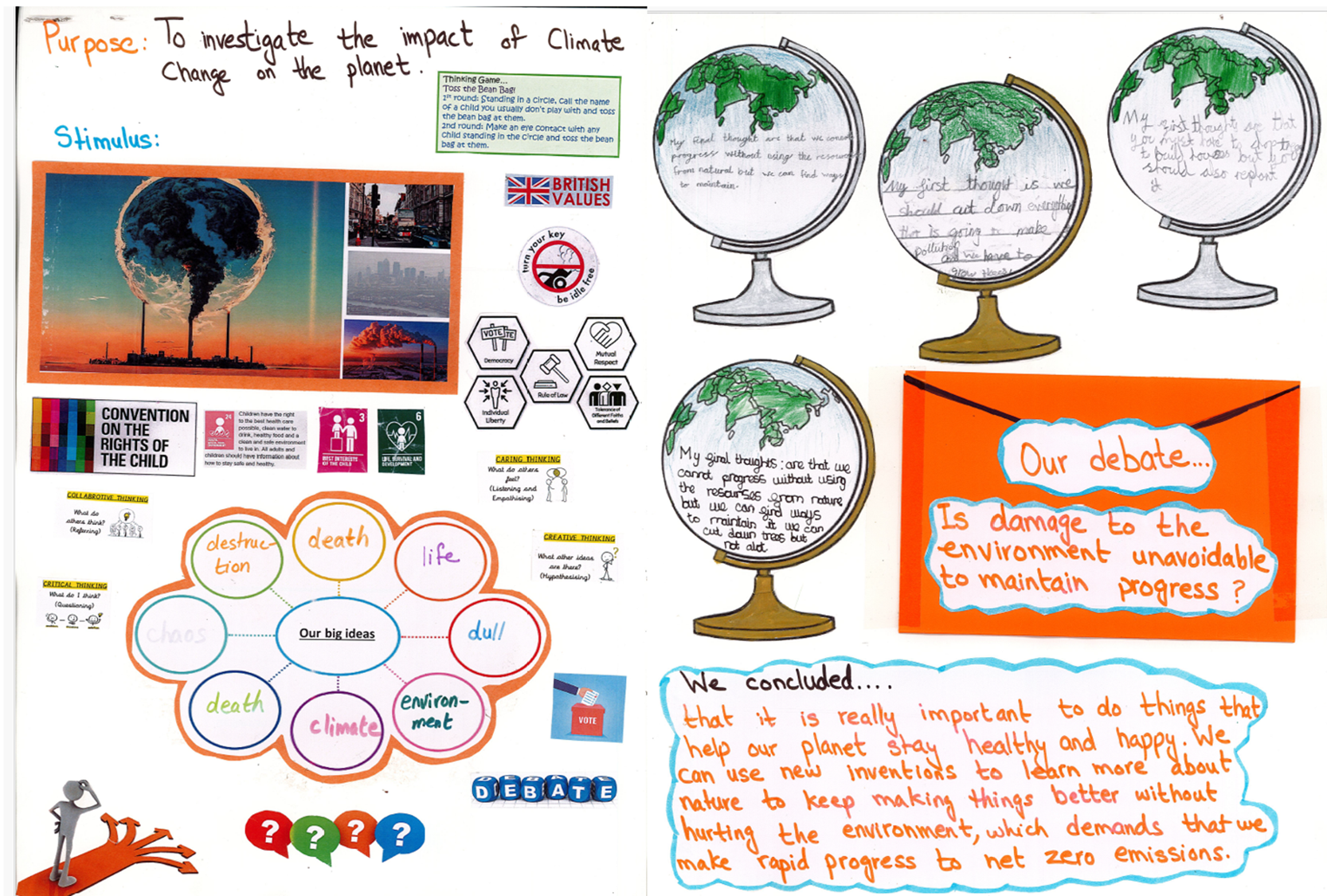 viewpoints, building on each other’s ideas while developing their understanding of sustainability and responsibility. They concluded by recognising the importance of making choices that protect the planet and working towards a more sustainable future.
Eco-Schools Topics:
- Global Citizenship
- Energy
Guided Reading – Exploring Environmental Themes (Greta Thunberg)
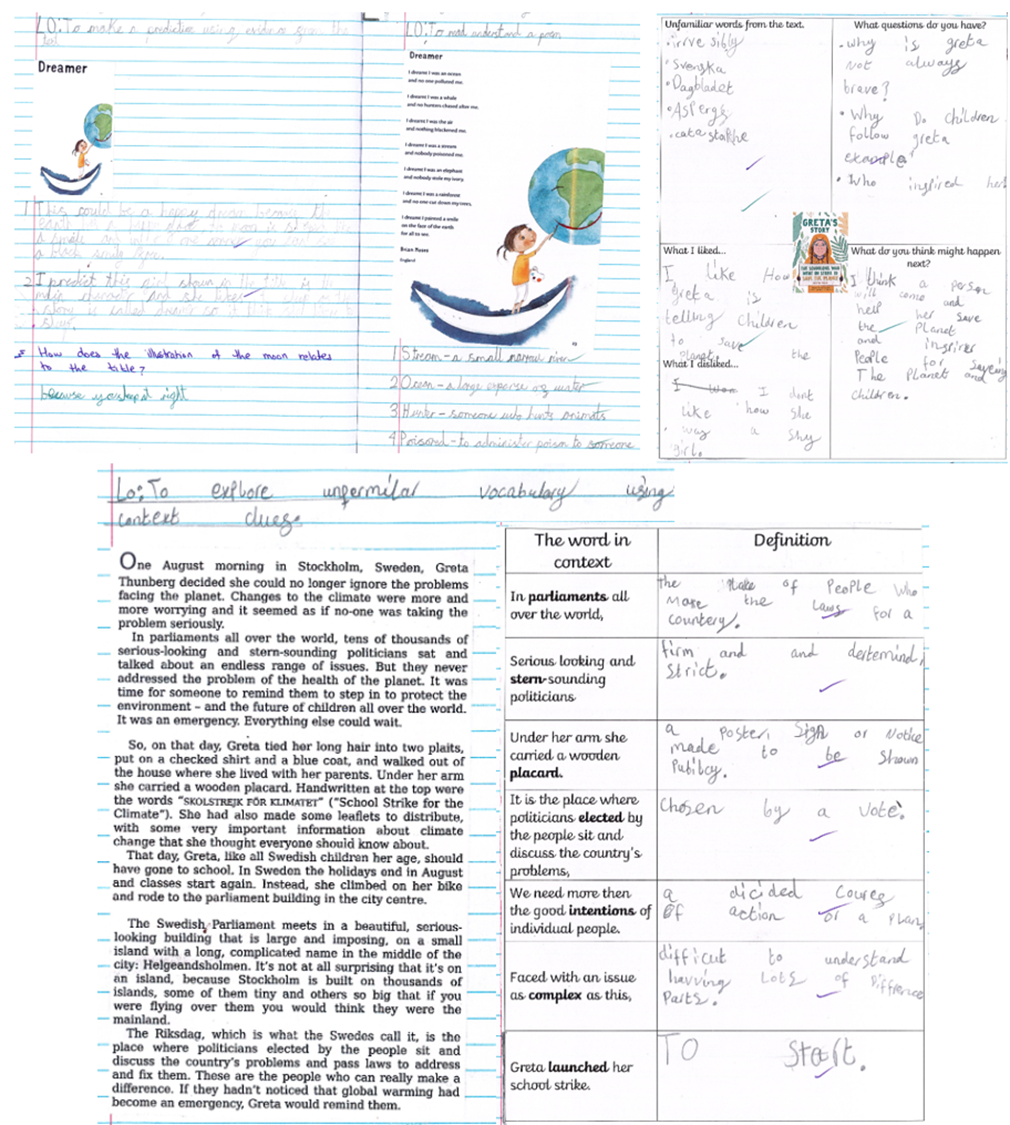 In these guided reading sessions, pupils explored a range of texts linked to environmental awareness, including narratives and non-fiction about Greta Thunberg. They developed key comprehension skills by predicting, questioning, clarifying vocabulary and summarising ideas.
Pupils discussed important themes such as climate change, responsibility and taking action, making connections between the texts and real-world issues. Through written responses and discussion, they demonstrated an understanding of the impact individuals can have on the environment and the importance of standing up for change.
Eco-Schools Topics:
- Global Citizenship
- Energy
PSHE – Health and Wellbeing and Community Awareness
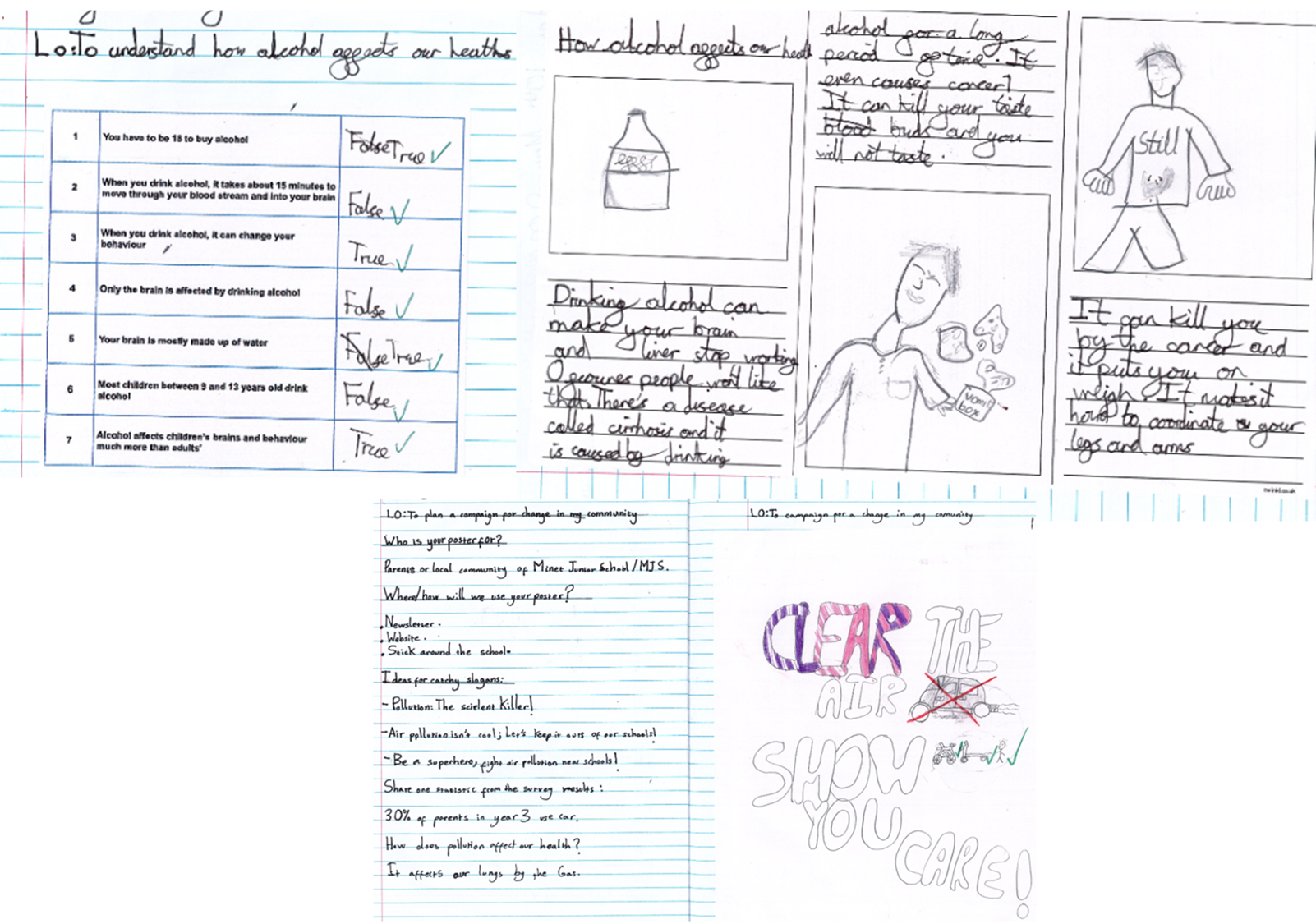
In Year 4, pupils explored how lifestyle choices can impact their health, including understanding the effects of alcohol on the body and behaviour. They discussed facts and misconceptions, developing an awareness of how substances can affect physical and mental wellbeing.
Pupils also applied their learning to real-life contexts by planning and creating campaigns to promote positive change within their community. They designed posters and messages to raise awareness about issues such as air pollution, demonstrating an understanding of how individual and collective actions can improve health and the environment.
Eco-Schools Topics:
- Healthy Living
- Global Citizenship
Science – Sustainability and Environmental Change
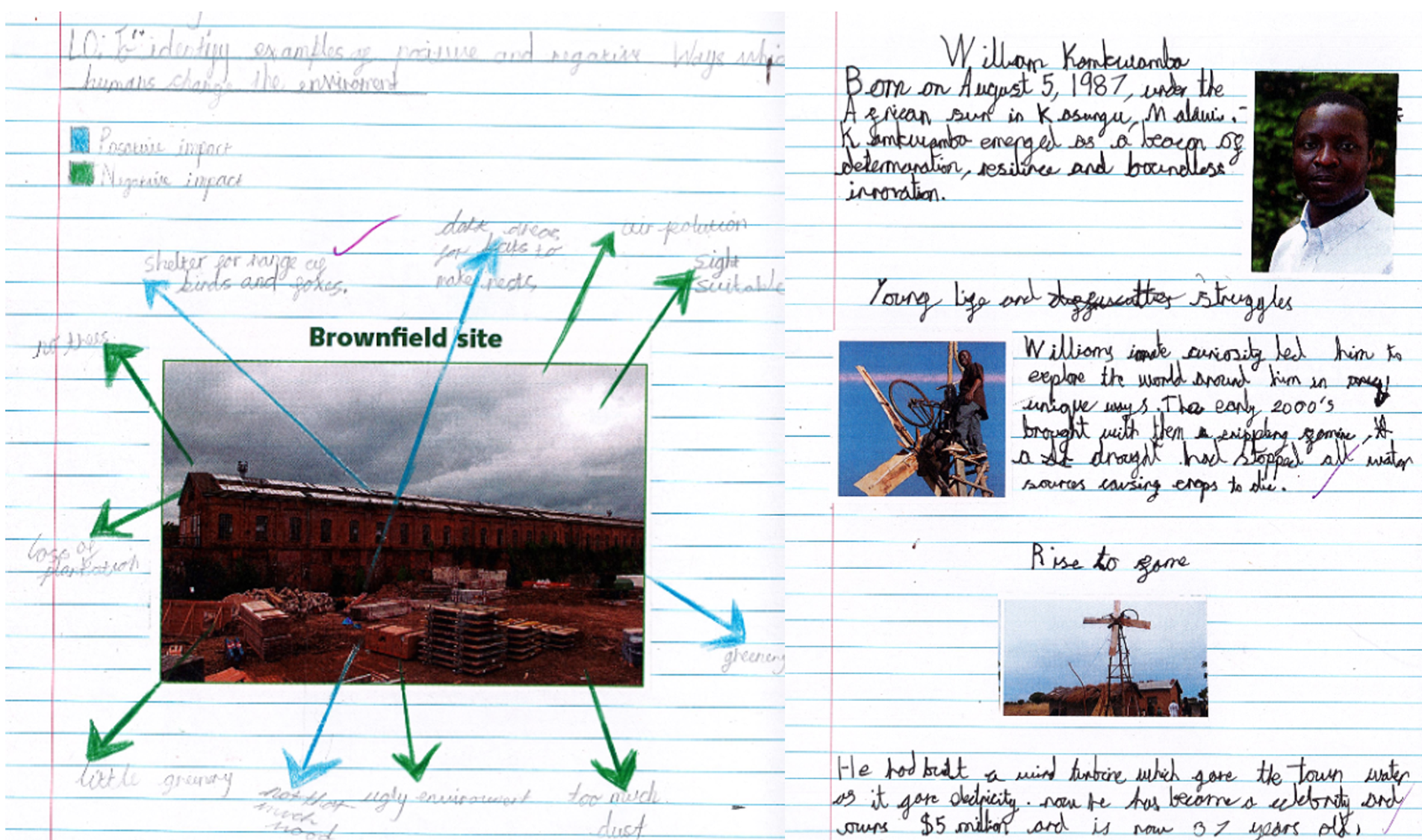
In science, pupils explored how human actions can have both positive and negative impacts on the environment. They investigated brownfield sites, identifying how these areas can be redeveloped while considering the environmental consequences. Pupils discussed issues such as pollution, habitat loss and sustainability, developing an understanding of how land use can affect ecosystems.
Pupils also learnt about individuals who have contributed to sustainable solutions, such as William Kamkwamba, and how innovation can help communities overcome environmental challenges. This supported their understanding of renewable energy and the importance of finding sustainable ways to meet human needs.
Eco-Schools Topics:
- Energy
- Global Citizenship
- Biodiversity
Design & Technology – Sustaina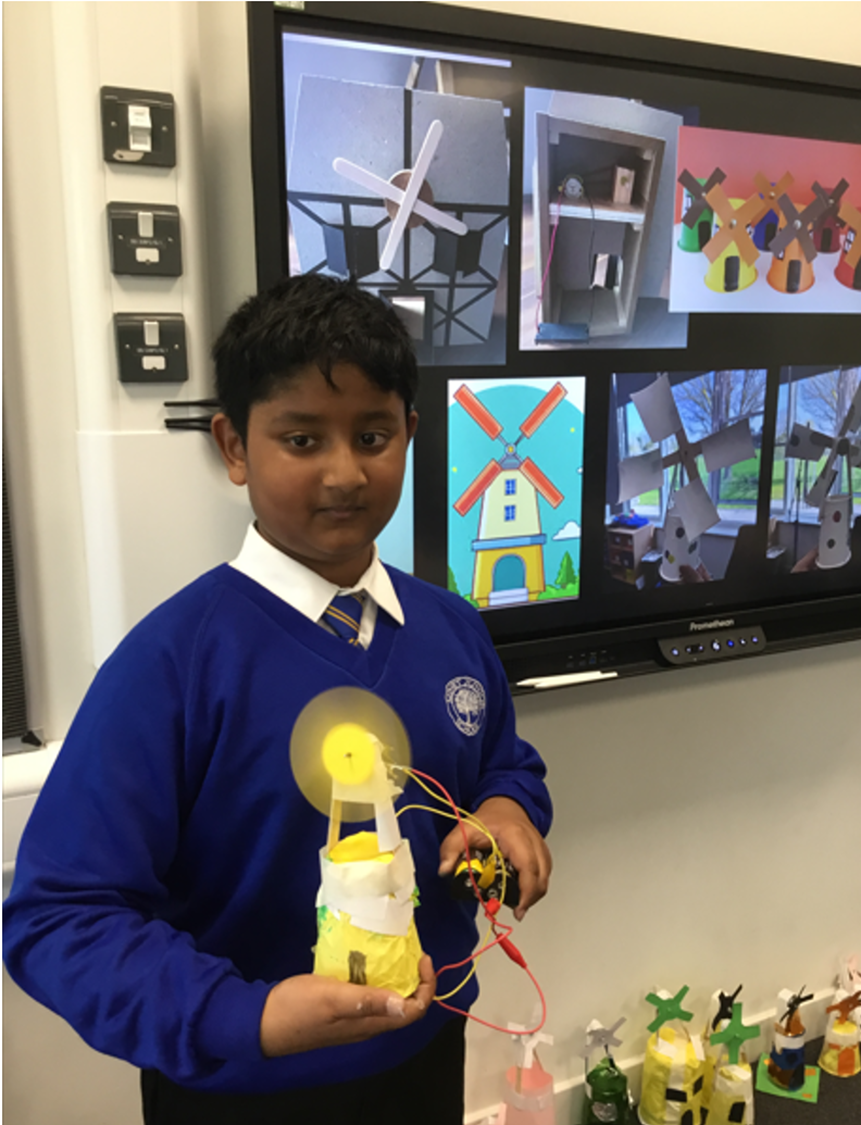 ble Design (Wind Turbines)
In this unit, pupils explored renewable energy by designing and creating their own wind turbines, inspired by the work of William Kamkwamba. They learnt how wind energy can be used to generate electricity and discussed its benefits as a sustainable alternative to non-renewable energy sources.
Pupils applied their understanding through practical design and construction, creating working models and evaluating how effectively they functioned. This supported their awareness of how innovative solutions can help meet energy needs while protecting the environment.
Eco-Schools Topics:
- Energy
- Global Citizenship